This article outlines five common mistakes that reduce frying oil life and provides practical strategies to help food manufacturers protect oil quality, improve operational efficiency, and achieve more sustainable, cost-effective frying operations.
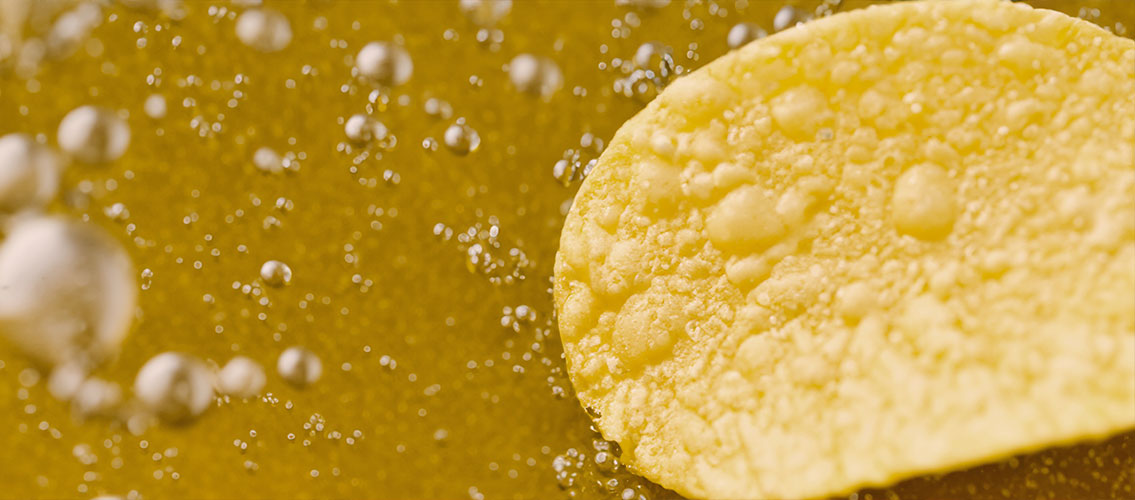
In food processing operations that rely heavily on industrial frying, cooking oil is often viewed as a consumable cost. Increasingly, however, processors are recognizing oil management as something more strategic. How oil is selected, handled, and protected throughout the frying process has a direct impact on waste generation, energy use, and cleaning requirements. Extending oil life goes beyond cost reduction. It is a practical sustainability strategy that supports operational efficiency, product consistency, and more efficient use of oil, energy, and cleaning resources.
Here are five factors that shorten frying oil life — and how to address them.
Fryer sizing should align with heat load, production capacity, and output requirements, but oil life is also influenced by how consistently a fryer operates at its intended throughput. Periods of low utilization — often caused by raw product supply interruptions, unplanned downtime, or limitations of packaging capacity — can extend oil residence time and increase exposure to heat and air. Paying attention to upstream and downstream constraints helps maintain oil quality, extend oil life, and optimize overall throughput.
Oxidation is one of the primary drivers of frying oil degradation, and it is heavily influenced by oxygen exposure. Open fryer designs, lifted hoods, and uncontrolled airflow allow air to interact with hot oil, rapidly reducing stability. Modified atmosphere techniques — such as steam blanketing and internal baffles — help protect oil by minimizing oxygen contact.
In practice, operating conditions can have just as much impact on oil quality as equipment design. In one batch frying application, a customer contacted us after experiencing significantly shorter oil life. On investigation, we found the hood steam extraction system was set incorrectly, pulling large amounts of air in through the fryer hood over the oil. With the correct adjustments, we were able to extend the oil life by several days.
Particulate matter, or “fines,” left in frying oil will burn and carbonize. Burnt fines are one of the most aggressive contributors to oil breakdown. Effective filtration systems remove debris before it compromises oil quality, while absorbent media can help remove free fatty acids and rejuvenate oil condition.
Oil degradation often begins before frying even starts. Aeration during delivery or transfer introduces oxygen, while incompatible materials such as copper or brass catalyze chemical reactions that rapidly degrade oil. Sealed storage tanks, inert gas blanketing, and proper material selection help preserve oil quality and reduce unnecessary waste.
Heating oil without cooking product accelerates degradation without delivering value. Starting fryers too early, running during extended downtime, or using heaters that create excessive oil-film temperatures all contribute to premature breakdown. Heating systems should be designed to meet process demands efficiently while minimizing thermal stress on the oil.
Each of these issues increases oil disposal rates, energy consumption, and cleaning requirements — all of which negatively impact sustainability performance. By choosing the right fryer design, oil handling, and daily operating practices, you can significantly extend oil life while reducing waste and resource use.
When approached systematically, oil management becomes a practical way to reduce waste and resource use. When the right equipment design is selected and supported by good day-to-day operating practices, extended oil life can lower resource demand while maintaining consistent product quality. By treating oil as a valuable process asset — and choosing the right fryer to protect it — you can improve efficiency, consistency, and sustainability across your frying operations.


Select a department to email: