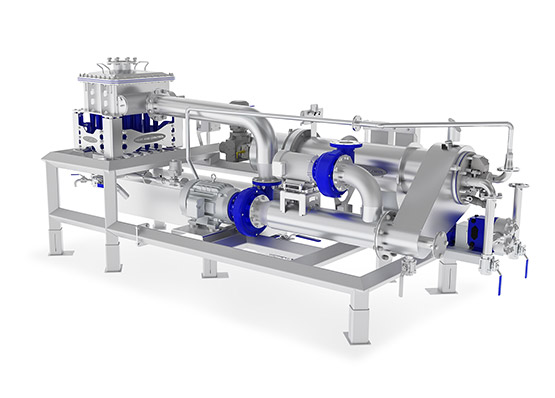
As processors face mounting pressure to conserve resources and operate more sustainably, a breakthrough approach to water management is opening the door to dramatic efficiency gains.
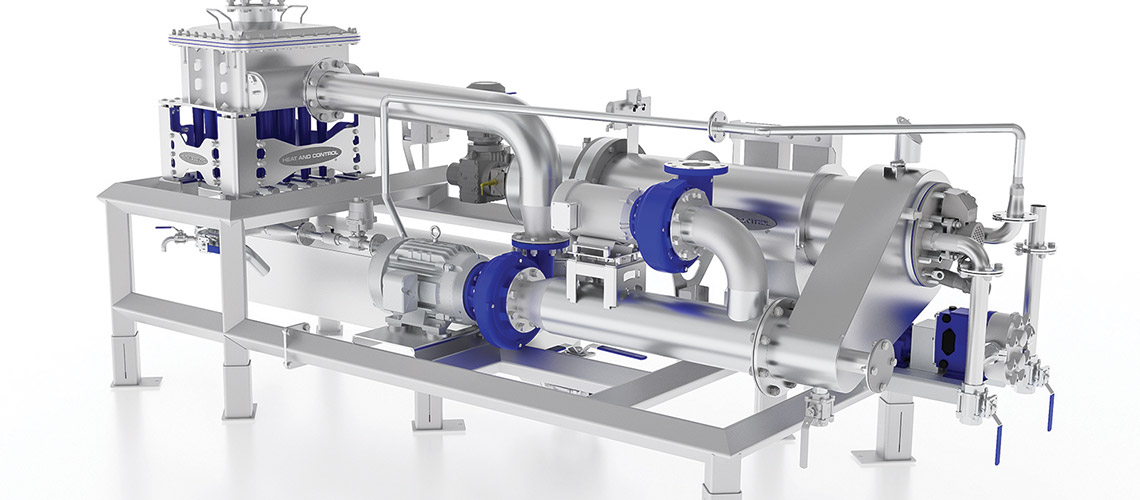
Across the food processing industry, water has long been one of the most essential—and most strained—resources. As sustainability targets tighten and operational efficiency becomes paramount, processors are searching for smarter ways to reduce fresh water consumption without compromising product quality or performance. That’s where Cascade Water Recirculation steps in, reshaping what’s possible with a bold, innovative approach to process-water management.
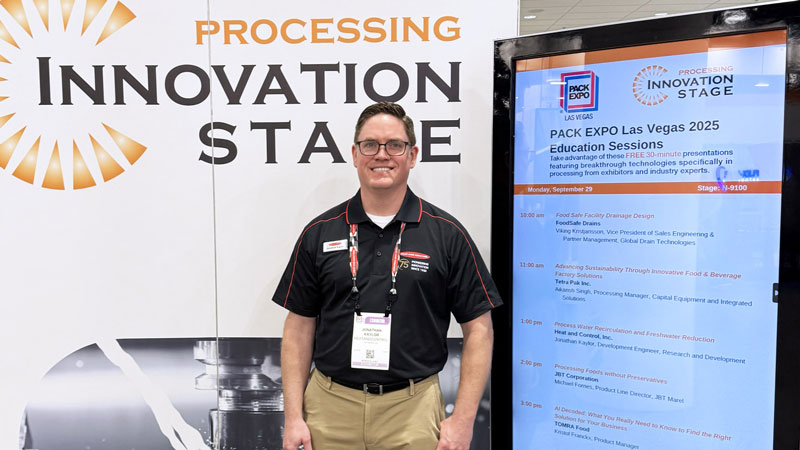
Watch our full-length, comprehensive video presentation (22 min.) below on Cascade Water Recirculation delivered by Jonathan Kaylor, Heat and Control Development Engineer.
Designed to help processors achieve up to a 75% reduction in fresh water usage, Cascade Water Recirculation brings a revolutionary “cascading” water-flow strategy to raw produce preparation. Rather than feeding fresh water to each unit operation individually, the system cleans, filters, and recirculates process water, sending it upstream in a controlled slipstream that optimizes every drop. Water used later in the process is strategically cleaned and redirected to earlier stages—dramatically minimizing overall consumption while maintaining high-performance standards.
At the heart of this methodology is a suite of purpose-built technologies working in harmony. The Slice Wash Support Module (SWSM) tackles sliced-potato washing while efficiently removing starch and fine silt, preparing the water to cascade backward through the system. The KleenFlow® (KFLO) module delivers high-rate debris concentration and filtration, while the patent-pending hydrocyclone bundle concentrates solids with remarkable efficiency. For broader applications, the Process Recirculation Support Module (PRSM) aggressively cleans general process water in a compact, adaptable configuration suitable for both batch and continuous operations.
Beyond water savings, the benefits ripple throughout the facility. With less water to heat, pump, and treat, processors experience lower energy consumption. Sanitary, low-volume designs paired with automated CIP procedures improve food safety while reducing manual intervention. High flow rates keep systems self-cleaning, reducing component wear, fryer contamination, and downtime—all contributing to longer run times and a cleaner finished product.
Cascade Water Recirculation isn't just a system—it’s a strategic shift toward sustainable, efficient, future-ready processing. For operations looking to dramatically cut resource use while elevating performance, this cascading approach offers a clear path forward.


Select a department to email: